

Completing an epoxy flooring project does not always mean every purchased material has been used. Contractors may return from a jobsite with unopened containers, partially used supplies, spare abrasive accessories, and equipment requiring cleaning. Without an organized process, these materials can accumulate in storage areas, making future purchasing and inventory decisions more difficult.
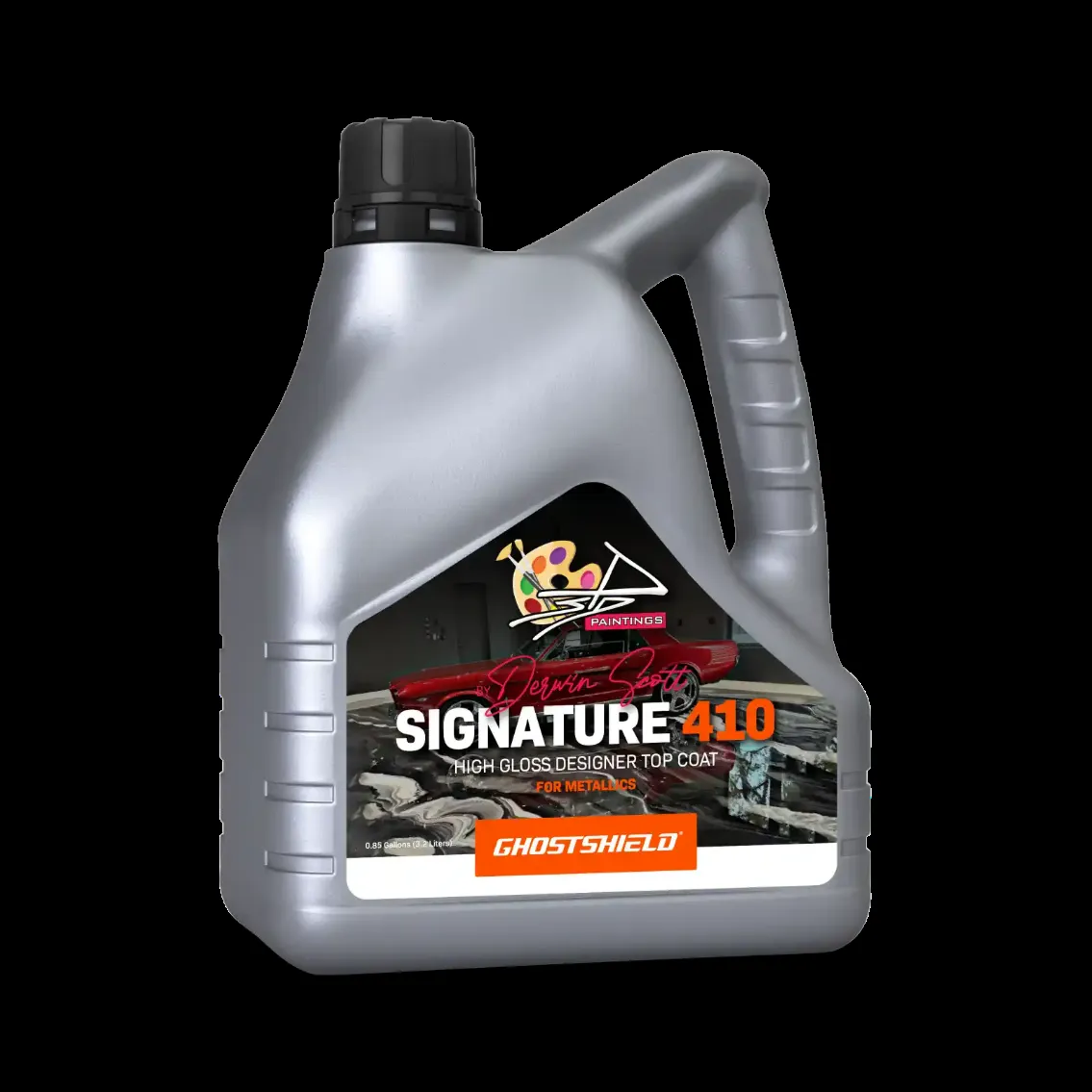
Contractors purchasing products such as signature 410 los angeles should consider material management before ordering quantities for a project. Coating products have specific storage, handling, and shelf-life requirements, while preparation accessories may remain usable across multiple jobs. Establishing clear procedures helps distinguish suitable inventory from materials requiring further assessment or disposal.
Separate Unopened and Partially Used Materials
Not every leftover product should be treated identically. A properly stored, unopened container may have different handling considerations from one that has already been opened.Contractors should identify the product, check its condition, and review manufacturer instructions before deciding whether it can be retained.
Partially used materials may have limitations concerning contamination, storage, or future use. Mixed reactive resin components generally cannot be stored for later application once their usable working period has passed.
Clear separation helps prevent unsuitable products from being returned to ordinary inventory without appropriate checks.
Storage Conditions Affect Product Suitability
Epoxy and related coating materials may have specific requirements concerning temperature, moisture exposure, ventilation, and container handling. A storage area that becomes excessively hot or cold may not be appropriate for every product. Contractors should consult technical data sheets and safety data sheets before assigning storage locations. Flammable or otherwise hazardous materials may require additional controls under applicable regulations.
Products should remain clearly identified, and incompatible substances should be stored according to relevant guidance. Proper storage planning protects workers and helps prevent assumptions that every unopened container remains suitable indefinitely.
Track Materials by Product and Batch
An inventory record should provide enough information to identify which materials remain available and whether they meet the requirements of an upcoming project. Useful details include product names, quantities, batch identifiers, purchase dates, and relevant expiry or shelf-life information.
A simple spreadsheet may be sufficient for a smaller contracting business, provided records are updated consistently. Inventory tracking can also help contractors identify products that should be reviewed before new supplies are ordered. However, records alone cannot confirm material suitability. Manufacturer instructions and actual product condition remain important when deciding whether stored supplies can be used.
Abrasive Accessories Need Separate Management
Grinding and preparation accessories are different from liquid coating materials. Their continued suitability depends on wear, damage, equipment compatibility, and manufacturer guidance. Contractors researching z grit disc los angeles should verify the accessory’s intended application and specifications before use.
Abrasive products should be inspected rather than automatically returned to service after every project. Damaged or unsuitable accessories can create equipment and safety concerns. Keeping preparation tools separate from coating inventory makes it easier to track replacement requirements and avoid confusing similar-looking products.
Inventory Reviews Can Reduce Unnecessary Purchasing
Contractors sometimes order additional supplies because they cannot easily determine what remains from previous projects.
Regular inventory reviews can identify suitable unopened products and accessories already available.
A practical review may include:
-
Product identification: Confirm names and relevant specifications.
-
Container condition: Check for visible damage or compromised packaging.
-
Shelf life: Review manufacturer guidance and applicable dates.
-
Accessory condition: Inspect reusable tools and abrasives.
-
Storage records: Confirm that required conditions were maintained.
These checks can support purchasing decisions without encouraging the use of materials whose condition is uncertain.
Waste Disposal Requires Product-Specific Guidance
Leftover coating materials should not automatically be placed in ordinary rubbish or poured into drains. Disposal requirements depend on the substance, its condition, and applicable local regulations. Contractors should review safety data sheets and relevant waste-management guidance. Unmixed components, cured materials, contaminated containers, and cleaning residues may require different handling procedures.
Where hazardous waste rules apply, authorized disposal services may be necessary. Employees should understand these distinctions before clearing the jobsite. Proper disposal planning is part of responsible contracting rather than an optional task completed after storage areas become overcrowded.
Use Project Records to Improve Future Orders
Material leftovers can provide useful information about estimating practices. Consistently ordering excessive quantities may indicate that coverage assumptions or purchasing procedures need review. Contractors can compare estimated material requirements with actual consumption after each project. However, unused quantities do not always indicate poor planning. Substrate conditions, packaging sizes, application requirements, and reasonable allowances can influence purchasing decisions.
Reviewing several completed jobs provides more meaningful information than judging one project in isolation. These observations can help refine future orders while preserving appropriate allowances for site-specific requirements.
Conclusion
Managing leftover epoxy materials requires clear identification, suitable storage, accurate inventory records, and appropriate disposal procedures. Unopened products, partially used containers, abrasive accessories, and hazardous waste should not be treated as interchangeable. Contractors exploring supplies through whatittakesla.com can consider these practices when planning purchasing and post-project inventory management. By reviewing material condition, following manufacturer instructions, and comparing estimated quantities with actual usage, businesses can reduce avoidable waste and maintain better oversight of their supplies without compromising installation quality or workplace safety.