
Fashion has evolved far beyond its traditional role of providing clothing. Today, what people wear often reflects their values, beliefs, heritage, and personal identity. In a world shaped by globalization and rapidly changing trends, many consumers are increasingly seeking meaningful ways to express who they are. As a result, cultural fashion is experiencing renewed appreciation, particularly among younger generations.
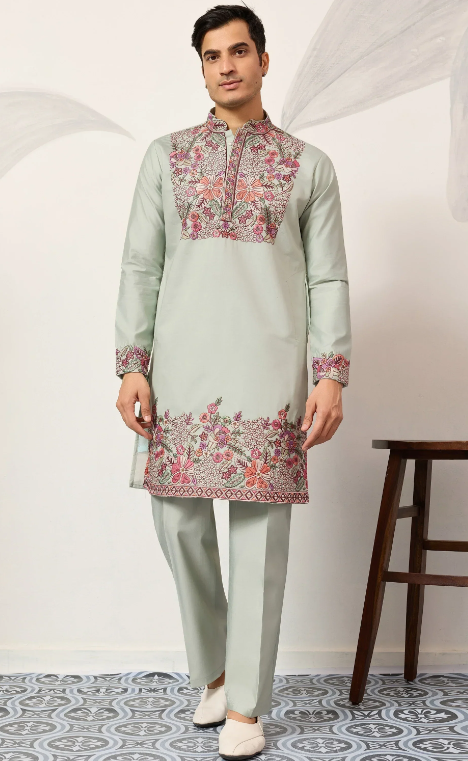
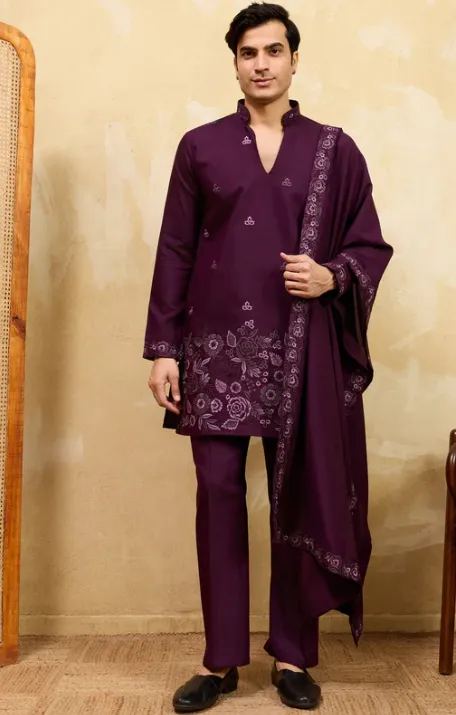
The growing popularity of the Kurta For Men and Kurta with Dupatta for Men reflects this shift. These garments are no longer viewed solely as traditional attire reserved for special occasions. Instead, they have become important symbols of identity, authenticity, and cultural pride. Their continued relevance demonstrates how fashion can serve as a powerful connection between heritage and self-expression.
The Search for Meaningful Fashion
Modern consumers are becoming more intentional about their fashion choices. Rather than following trends without consideration, many people are looking for clothing that carries personal significance.
This change is influencing purchasing behavior across the fashion industry. Consumers increasingly value garments that tell a story, represent their background, or help them feel connected to something larger than themselves.
Traditional attire naturally fits within this movement because it often carries cultural and historical meaning. The growing interest in ethnic fashion reflects a desire for authenticity in an increasingly fast-paced and trend-driven world.
As a result, cultural clothing is becoming more relevant than ever before.
Why Identity Matters in Modern Style
Personal identity has become one of the strongest influences on contemporary fashion. Consumers use clothing to communicate their values, experiences, and sense of belonging.
For many individuals, cultural attire provides a way to celebrate their roots while expressing their individuality. The Kurta For Men serves as an example of how traditional garments can function as both fashion statements and cultural symbols.
Rather than choosing between modern style and cultural heritage, many consumers are embracing both. This balance allows them to express multiple aspects of their identity through fashion.
The growing popularity of identity-driven dressing highlights the changing role of clothing in modern society.
Cultural Fashion in a Globalized World
Globalization has expanded access to diverse styles and fashion influences from around the world. While this has increased variety, it has also encouraged many consumers to reconnect with their cultural heritage.
Traditional clothing offers a sense of familiarity and authenticity that can feel especially meaningful in a globally connected environment. Rather than disappearing, cultural fashion is adapting and finding new relevance among modern audiences.
The increasing visibility of garments such as the Kurta with Dupatta for Men demonstrates how traditional attire can remain important even as fashion becomes more international.
This balance between global influences and local identity is shaping the future of contemporary style.
The Influence of Digital Culture
Social media has transformed the way people engage with fashion. Consumers now have access to a wider range of styles, cultural narratives, and fashion communities than ever before.
Digital platforms have helped increase appreciation for heritage-inspired fashion by encouraging people to share personal stories and cultural experiences. Traditional attire is often celebrated not only for its appearance but also for the meaning it carries.
This growing visibility has contributed to renewed interest in cultural dressing, particularly among younger consumers seeking authenticity.
As digital culture continues to evolve, cultural fashion is becoming a more prominent part of online style conversations.
Why Younger Generations Are Embracing Heritage Fashion
One of the most significant developments in modern fashion is the growing enthusiasm for cultural attire among younger audiences. Rather than viewing traditional clothing as outdated, many now see it as a meaningful way to connect with their heritage.
This shift reflects a broader appreciation for individuality and authenticity. Younger consumers increasingly value fashion that helps them express who they are rather than simply following mainstream trends.
Traditional garments offer a unique opportunity to celebrate personal and cultural identity simultaneously.
This renewed interest is helping ensure that heritage fashion remains relevant for future generations.
Authenticity as a Fashion Value
Authenticity has become one of the defining values of contemporary fashion. Consumers increasingly seek products and experiences that feel genuine and meaningful.
The enduring popularity of the Kurta For Men and Kurta with Dupatta for Men reflects this desire. These garments represent more than changing fashion trends; they embody cultural stories, traditions, and personal connections.
As consumers place greater importance on authenticity, traditional clothing continues to offer a powerful way to express identity through fashion.
This trend suggests that cultural dressing will remain an important influence in the years ahead.
Final Thoughts
The growing popularity of the Kurta For Men and Kurta with Dupatta for Men highlights a broader movement toward identity-driven fashion. As consumers increasingly seek authenticity and meaningful self-expression, cultural attire is becoming an important way to celebrate heritage while embracing modern style.
By serving as both a fashion choice and a symbol of personal identity, traditional menswear continues to evolve in relevance. Its enduring appeal demonstrates that cultural fashion is not simply a reflection of the past but an important part of how people express themselves in the present.