

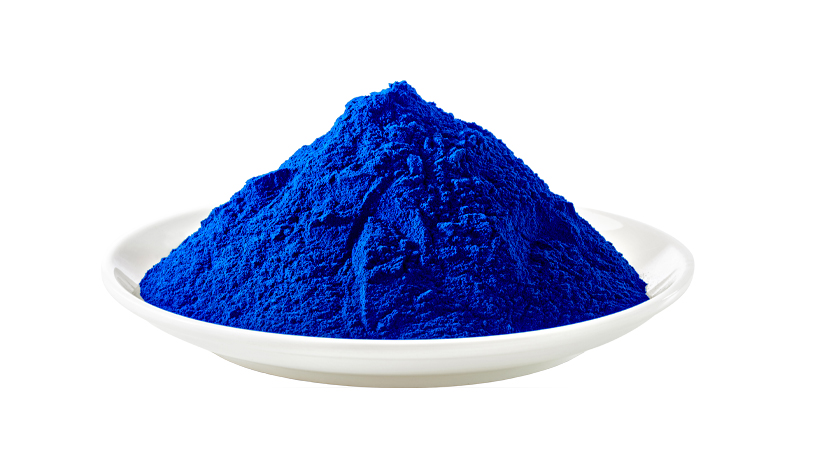
Food manufacturers seldom choose coloring ingredients without careful consideration. The appearance of the product can affect its perception before details on the packaging are even noticed. Because of this, some technical and practical considerations have to be taken into account when evaluating ingredients. When warm yellow colors are desired in various foods, Curcumin Color is often evaluated. Color teams are normally matched under real production conditions. Sometimes minor formulation changes result in visible changes that are seen after products are on the retail shelves.
Processing Conditions Influence
The reaction of color ingredients is different in various manufacturing environments. Final results are affected by the temperature that the product was exposed to, moisture, storage conditions and the ingredients. Product-specific testing is often used to assess the stability of some formulations, while others need to be evaluated specifically before they are approved. Color behavior can be checked by technical teams following processing and storage. The information that businesses can obtain from these evaluations can help them to determine what they’re likely to experience in the future, before they enter into larger production runs.
Product Categories Differ
Food coloring needs are very different in various product categories. A beverage company could be looking for something entirely different from a confectionery company or dairy processor. It is for this reason that the evaluation of color ingredients is seldom made by one method. The properties of Curcumin Color may vary from one formulation to another depending on processing and formulation. Before decisions are made, product developers sometimes do reviews that are specific to the application. These assessments can be helpful in determining color intensity, compatibility and general suitability for planned commercial uses.
Consistency Remains Important
Product consumers are expecting to see the products the same way that they have seen them in the past. Consistency must be ensured and monitored throughout the manufacturing operation. Some products may be different shades, which can impact the presentation. Therefore, gardenia blue is often checked during normal quality checks during the production process. Manufacturing teams benchmark their results against their internal benchmarks and defined specifications. Periodic testing provides a consistent approach and also aids in determining if there are any potential differences in the products that are further distributed in the supply chain.
Ingredient Reviews Continue
Choosing color ingredients can sometimes require juggling several factors simultaneously. The appearance of products is important, but operational aspects can also play a role in the decision-making process. Ingredient selection is related to storage requirements, processing compatibility and formulation performance. These will be discussed as part of the development process for Curcumin Color. Applying this information and guidance from suppliers is often reviewed by technical teams prior to implementation. This process can aid in understanding how various ingredients can act in various production environments and manufacturing processes.
Market Expectations Shift
Consumer tastes remain shifting in a variety of food categories and areas. Often, manufacturers change strategies as per the changing expectations, keeping production efficient. Aesthetics is still another factor and gardenia blue continues to be the focus of applications where blue tints are needed for product presentation. The introduction of a color ingredient into a new formulation is usually a case of careful evaluation by product developers. These reviews are useful for making informed decisions due to the practical manufacturing needs as well as the intended product attributes.
Practical Development Factors
The process of product development does not always unfold linearly. A number of assessments are typically necessary to make final choices. Results are affected by ingredient interactions, processing and storage expectations. Usually, curcumin Color is evaluated through pilot sets and technical examination before more general application. There is usually a dissemination of information between various stages of testing during development. This data can be used to better plan and help manufacturers in determining solutions that meet formulation objectives and functional needs.
Technical Assessment Process
There’s more to evaluating color ingredients than looking at the appearance. Laboratory studies, pilot production trials and regular quality control check-ups can evaluate Gardenia blue. Information from each stage is used to support product development. Chances are that businesses will be comparing multiple options before they make a final decision. This careful approach enables manufacturers to learn about the behavior of ingredients in various formulations and processing conditions.
Conclusion
Color ingredients are still significant to food manufacture as appearance is thought to be important in first impressions, which precede consumption. For those businesses looking to gain a better understanding of the applications of color and ingredient-related considerations, Foodrgb.com offers helpful information. Curcumin Color and gardenia blue are still used practically in many food products and food processing processes. They vary in suitability based on formulation requirements, processing techniques, storage and visual effects. Tests, technical reviews and continuous quality assessment aid in the process of informed decision-making during development. All choices need to be carefully thought out and businesses need to choose what suits their production objectives and product requirements.