

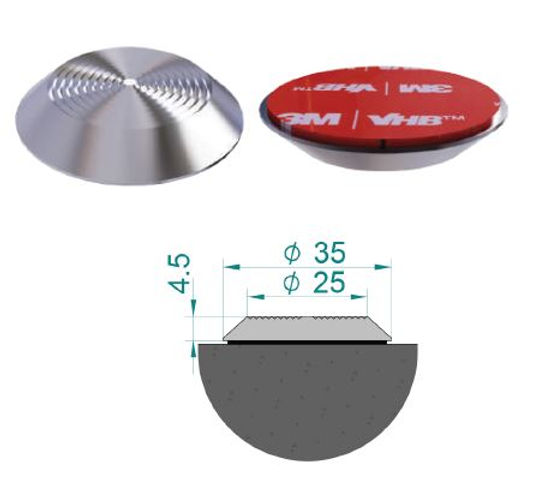
Accessibility design relies on two fundamental types of tactile products that serve entirely different purposes. Understanding the distinction between warning tactile indicators and directional tactile systems is essential for creating safe and navigable spaces. A reliable tactile indicators manufacturer produces both types with precision, and knowing when to use each will significantly improve your facility’s accessibility and safety outcomes.
Understanding Warning Tactile Indicators
Purpose and Function
Warning tactile indicators alert users to potential hazards and dangerous areas ahead. These products provide critical safety information through tactile feedback, warning individuals with visual impairments about platform edges, stairways, escalators, and other hazardous zones. The primary goal is to stop movement and draw attention to danger rather than guide direction.
Design Characteristics
Warning tactile products typically feature raised bumps or studs arranged in a distinctive pattern. A quality tactile indicators manufacturer designs these patterns to be easily recognizable through touch. The raised surface creates noticeable feedback when someone’s cane or foot contacts it, immediately signaling that caution is necessary.
Common Applications
Warning tactile indicators are essential in transit stations at platform edges, near stairs and escalators, around construction zones, and at the top of ramps. Any location where sudden danger exists requires warning tactile solutions to prevent accidents and protect users from harm.
Understanding Directional Tactile Systems
Purpose and Function
Directional tactile products guide users along safe pathways and indicate the correct direction of travel. Unlike warning indicators that stop movement, directional systems encourage continued movement along a specific route. A tactile directional strip creates an unbroken line that helps individuals navigate spaces independently and confidently.
Design Characteristics
Directional tactile products feature elongated strips or linear patterns that run along pathways. A tactile directional strip provides continuous feedback when traced with a cane or foot, creating a guiding sensation. The consistent linear design helps users understand which direction to travel and where safe pathways exist.
Common Applications
Tactile directional strip installations appear in airport terminals, guiding passengers to gates; along hallway pathways in public buildings; through parking facilities; and connecting different areas of transit systems. These products establish clear routes through complex spaces.
Key Differences Between the Two Systems
Purpose and Movement
Warning tactile indicators are designed to stop or slow movement, alerting users to dangerous conditions requiring caution. Directional tactile products encourage movement along safe routes. A tactile indicators manufacturer understands that these different purposes require distinct designs and placement strategies.
Pattern and Texture
Warning products use raised bump patterns arranged in specific configurations. Directional products feature linear strips that run continuously. The tactile directional strip design creates a different tactile sensation than warning patterns, allowing users to distinguish between the two through touch alone.
Placement Strategy
Warning indicators mark specific danger points and stop zones. A tactile directional strip runs continuously along entire pathways. Warning products occupy smaller areas at critical locations, while directional products cover extended distances requiring navigation.
Installation and Design Considerations
Critical factors for each tactile system type:
- Warning tactile indicators: Placed at platform edges, stairs, escalators, and hazard zones; designed to immediately alert through distinctive bump patterns; require high visibility and contrast; must withstand heavy foot traffic; need clear spacing around other floor elements.
- Tactile directional strip benefits: Runs continuously along pathways for uninterrupted guidance; requires consistent width and height for uniform tactile feedback; must maintain clear sightlines for visual users; needs durable installation in high-traffic areas; works effectively indoors and outdoors.
- Tactile indicators manufacturer specifications: Warning products must meet strict accessibility standards for bump height and spacing; directional products require a consistent pattern throughout the entire length; both require durable materials resistant to wear; selection depends on specific application and environment.
- Design integration considerations: Combine both systems for comprehensive accessibility, position warning indicators before directional strips on approach routes, ensure proper spacing between different tactile elements, coordinate with visual signage and lighting, and test with actual users for effectiveness.
Creating Comprehensive Accessibility
Effective facility design uses both warning and directional tactile products together. A quality tactile indicators manufacturer produces both types meeting accessibility standards. Warning indicators protect users from hazards while directional systems enable independent navigation. Together, they create environments where people with visual impairments can move safely and confidently.
Conclusion
Warning tactile and directional tactile products serve distinct and equally important roles in accessibility design. Warning indicators protect users by alerting them to dangers, while a tactile directional strip guides users along safe pathways. By understanding these differences and implementing both systems appropriately, facility managers can create truly accessible environments that serve all visitors effectively and safely.
