

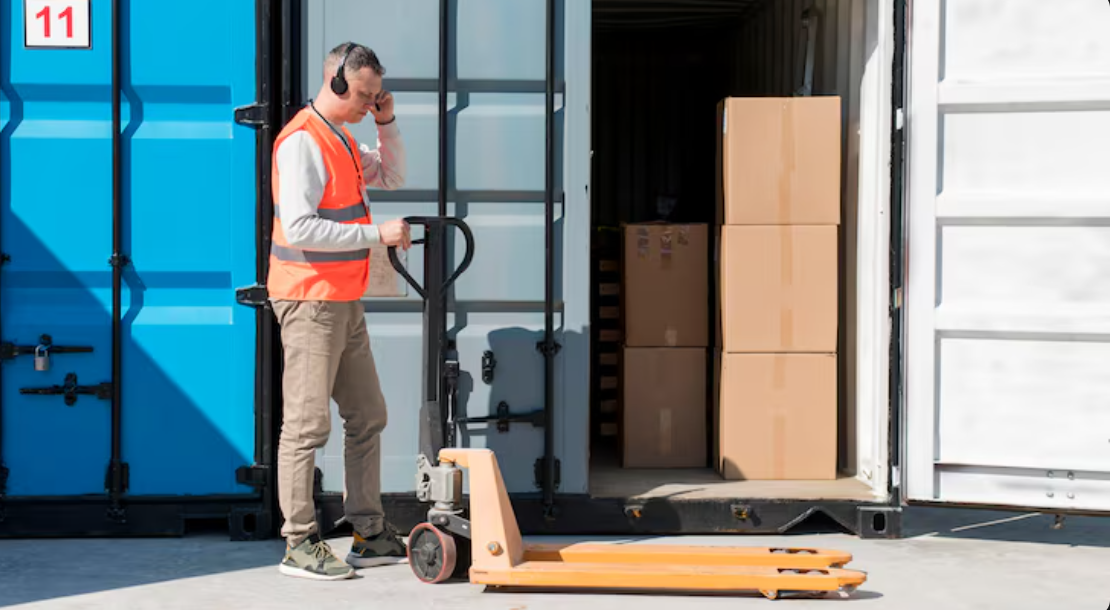
People usually notice drayage Georgia when a short move starts causing a long list of problems. A container sits too long. A yard handoff slips. A warehouse appointment gets missed, and then the next piece of the shipment starts leaning the wrong way, too. That is the funny part about short-haul freight. It looks small on paper, though it often carries a ridiculous amount of pressure once the real schedule begins tightening around it.
Short miles do not mean simple work.
Some people still talk like drayage is the easy part because the distance is shorter. That idea usually disappears after the first messy delay. Local container moves still depend on timing, equipment readiness, paperwork, site access, and people giving the right details early enough to matter. Good drayage services georgia should make those moving parts feel organized instead of improvised. If the handoff begins badly, the rest of the freight usually picks up that same bad rhythm very quickly.
The first handoff usually decides the whole mood.
A shipment can look fine on a spreadsheet and still fall apart at pickup. That happens more than people like to admit. Maybe the container is not really ready. Maybe access rules were explained badly. Maybe the chassis side is still unclear. This is where drayage Georgia gets practical fast. The move might only cover a short distance, though a rough first handoff can waste enough time to affect warehouse labor, customer planning, and the next carrier waiting later in the chain.
Georgia timing needs realism, not polished optimism.
Georgia freight does not move inside some quiet little vacuum. Ports, yards, warehouses, and local traffic all push against the same clock, and that pressure builds fast. A smart drayage services Georgia setup should use timing that feels honest, not just attractive on paper. If the schedule only works when every detail behaves perfectly, then it probably is not much of a schedule. Local freight works better when the timing includes real-world space for congestion, gate delays, and site issues.
Equipment details should be checked before trouble starts.
This part gets ignored until someone starts losing hours. Container status, trailer readiness, chassis needs, weight details, and site rules all matter before the truck even arrives. Better drayage Georgia support usually stands out because these questions are handled early, not after the driver is already standing around with limited options. That saves more than time. It also cuts down on confusion, finger-pointing, and the kind of expensive delay that should have been avoidable if someone had just checked properly.
Communication should stay useful and not dramatic.
Nobody in freight needs poetic updates. They need useful ones. If pickup changes, say it clearly. If gate timing shifts, say it early. Businesses comparing drayage services georgia usually care about communication almost as much as the move itself because every next step depends on accurate information. Warehouse teams, customers, dispatchers, and receivers all work better when the update is plain and direct. Fancy language does not solve much once the shipment starts feeling late and everyone is asking the same question.
Repeat container work needs steady hands every week.
One smooth move is nice, though it does not tell the whole story. Repeat freight is where service quality really starts showing itself. Shippers with regular local moves do not want each day to feel like a fresh emergency. They want consistency, useful updates, and handoffs that stop feeling unpredictable. That is where both drayage Georgia and drayage services georgia get judged for real. A dependable pattern matters because local freight gets expensive fast once routine work stops feeling routine.
Conclusion
Choosing a drayage partner usually comes down to timing, equipment coordination, communication, and whether the service still works when the day gets tight. On ykfreight.com, shippers should compare local route awareness, handoff quality, update clarity, and overall reliability before making any long-term logistics decision. Those practical details matter much more than polished claims or oversized promises that sound impressive for a minute. A thoughtful choice helps freight move with fewer delays, less confusion, and better control across the full local shipping process. Review your freight needs carefully, ask direct operational questions, and work with a carrier that truly fits your day-to-day flow.
